

Can Sludge Turn Waste Into Treasure? Screening Bucket Provides A New Way Of Processing
Release time: 2025-10-23
جدول المحتويات
In today’s environmentally conscious world, industries are continuously exploring innovative methods to manage waste efficiently. Sludge, a byproduct of wastewater treatment, is one such waste product that has historically posed significant challenges. However, emerging technologies like screening buckets are changing the game, allowing industries to not only manage sludge effectively but also turn it into valuable resources. So, can sludge really be transformed into treasure? Let’s explore how screening buckets are paving the way for sustainable sludge processing.

What Is Sludge and Why Is It a Problem?
Sludge is the thick, semi-solid residue that remains after wastewater treatment in municipal and industrial plants. It contains various contaminants, including organic matter, chemicals, and pathogens, making it both an environmental hazard and a disposal challenge. Traditionally, sludge is disposed of in landfills, incinerated, or converted to energy, but these methods are costly and environmentally taxing.
Given the growing need for more sustainable waste management, the question arises: How can we make sludge processing more efficient? Enter the دلو الفحص, an innovative tool that addresses sludge disposal and helps recover valuable resources.
What Are Screening Buckets?
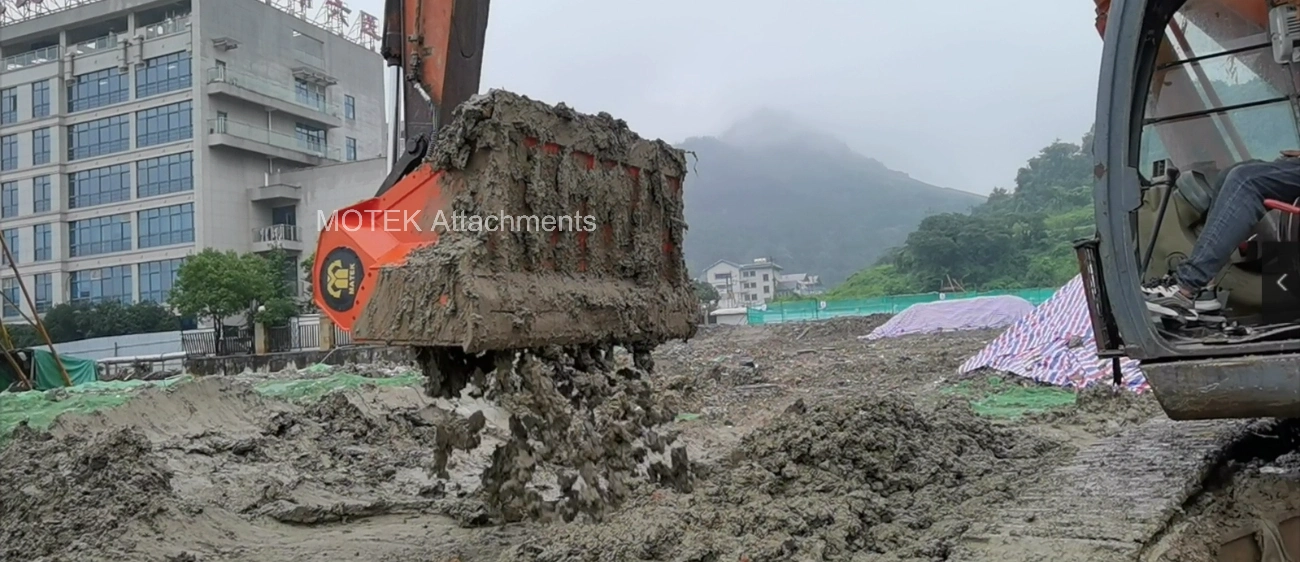
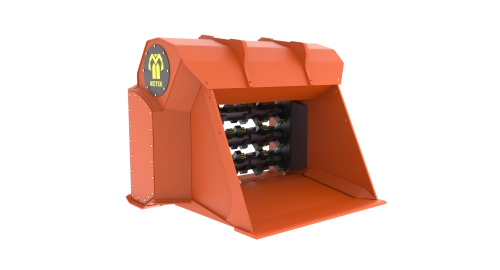
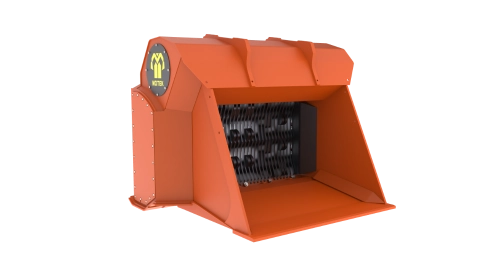
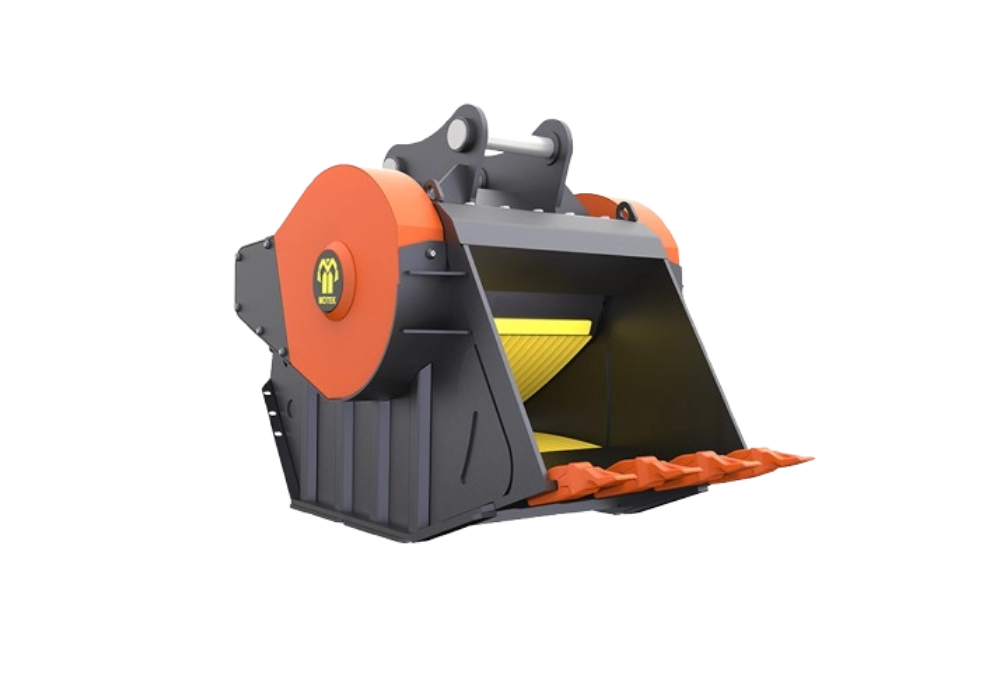
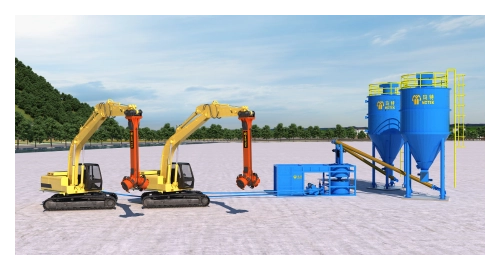
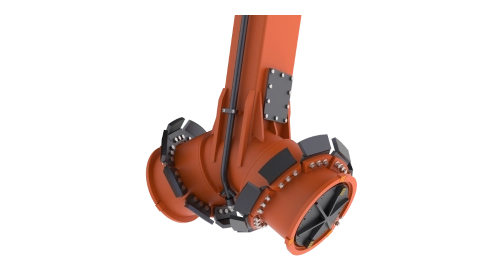
A screening bucket is a versatile attachment used on excavators, loaders, and skid-steer machines. It consists of a rotating drum or tines that help separate solid materials from liquids, allowing for efficient filtering and processing of waste. Screening buckets are widely used in construction, mining, and waste management industries to separate debris, rocks, soil, and more. When applied to sludge treatment, screening buckets can help separate solid and liquid components, facilitating the recovery of valuable resources.
How Do Screening Buckets Help in Sludge Processing?
The primary advantage of using screening buckets in sludge treatment is their ability to separate valuable materials from waste. Let’s dive into the key benefits:
1. Resource Recovery from Sludge
By separating solid waste from liquid content, screening buckets make it easier to recover organic matter, nutrients, and even metals from the sludge. For example, certain types of sludge contain high levels of nitrogen and phosphorus, which can be used as fertilizers in agriculture. Organic sludge can be converted into compost, and biogas can be produced for renewable energy. This recycling not only reduces the need for traditional landfill space but also promotes a more circular economy.
2. Lower Sludge Disposal Costs
Conventional methods like landfilling or incineration of sludge come with high operational costs. Using screening buckets reduces the volume of sludge that requires disposal, leading to substantial savings on waste transportation and disposal fees. The technology ensures that only the most problematic sludge remains for disposal, lowering overall waste management costs.
3. Environmental Impact Reduction
Sludge treatment with screening buckets has a significant environmental upside. By recovering valuable materials and reducing the volume of waste sent to landfills, screening buckets help decrease landfill reliance and reduce carbon emissions. Additionally, the conversion of organic sludge into useful products like compost or fertilizer supports sustainable agriculture practices.
4. Improved Sludge Management and Compliance
Efficient sludge management is essential for maintaining the health of aquatic ecosystems and adhering to environmental regulations. Screening buckets improve the operational efficiency of wastewater treatment facilities by effectively separating solids from liquids. This process results in better-managed sludge, ensuring compliance with stringent wastewater treatment standards.
5. Versatility and Adaptability
One of the key strengths of screening buckets is their versatility. These tools can be used in a wide range of industries, including municipal wastewater treatment plants, mining, and agriculture. Screening buckets can be mounted on different types of machinery, such as excavators, loaders, and skid-steers, making them adaptable to various sludge types and processing requirements. Additionally, many screening bucket models can be customized to meet specific operational needs, further enhancing their utility.
How Does the Screening Bucket Process Sludge?
Now that we understand the benefits, let’s break down how a screening bucket works in sludge processing:
- Mounting on Equipment: The screening bucket is attached to an excavator, loader, or skid-steer. The type of equipment chosen depends on the sludge characteristics and the operational environment.
- Sludge Feeding: The sludge is fed into the screening bucket. In some cases, it may need to be pre-processed before being introduced into the bucket.
- Separation Process: As the screening bucket rotates, it sifts through the sludge, separating larger solid particles from the liquid. The solid materials are expelled, while the finer materials are retained in the bucket.
- Resource Recovery: The separated materials—such as organic matter, metals, or nutrients—are then processed or repurposed for other uses, like fertilizers, compost, or renewable energy.
- Disposal or Further Treatment: The remaining waste is either treated further or sent for appropriate disposal, ensuring minimal environmental impact.
The Future of Sludge Processing: The Circular Economy in Action
With the global focus on sustainability, industries are looking for ways to reduce waste and increase resource recovery. Technologies like screening buckets are not only improving the efficiency of sludge processing but also contributing to the circular economy by transforming waste into valuable resources.
Future sludge processing solutions will likely incorporate more advanced techniques such as biotechnologies, advanced filtration, and energy recovery to enhance the efficiency of the entire system. The screening bucket will remain a cornerstone of these efforts, enabling industries to meet both environmental regulations and sustainability goals.
Conclusion: Transforming Sludge Into Valuable Resources
In conclusion, the answer to whether sludge can be turned into treasure is a resounding yes. With the help of innovative tools like دلاء الفحص, industries can recover valuable resources from sludge, reduce disposal costs, and significantly reduce environmental impact. By separating usable materials such as organic matter, nutrients, and metals, screening buckets are changing the way we approach sludge management and waste treatment.
As industries continue to explore more sustainable waste management methods, screening buckets will undoubtedly play a critical role in the future of sludge processing, offering a practical solution for turning waste into treasure.