


How to Choose the Right Crusher Bucket for 6 Common Materials
Release time: 2025-11-19
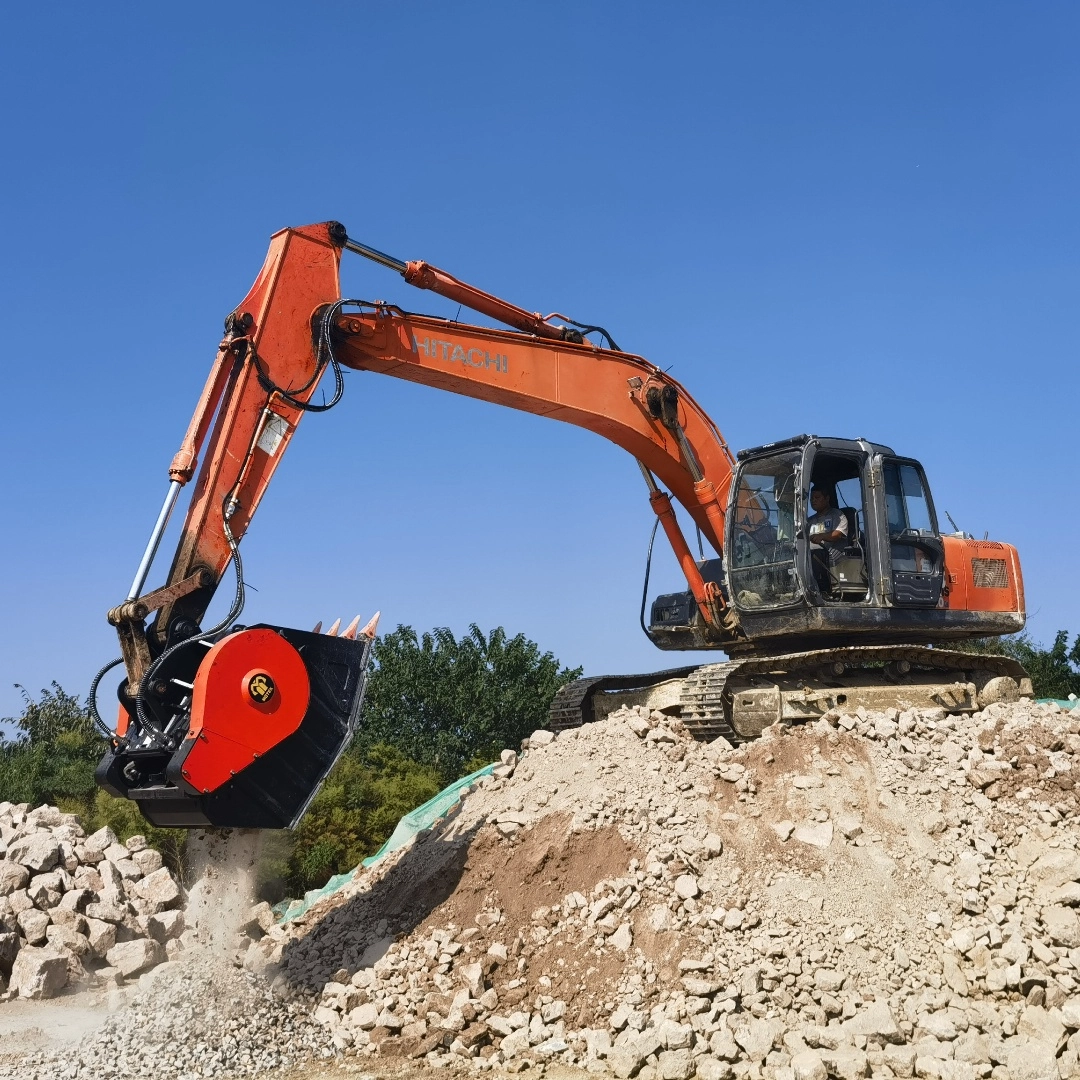
Choosing the right crusher bucket for your construction or demolition project is critical for improving efficiency, reducing costs, and enhancing safety. Crusher buckets are versatile attachments designed for excavators, skid steers, and loaders, enabling operators to crush and process various materials like concrete, asphalt, rocks, soil, demolition debris, and glass. Understanding the characteristics of these materials and matching them with the correct bucket is essential to maximize performance and achieve desired outcomes.
In this comprehensive guide, we will help you select the лучший дробильный ковш for six common materials: concrete, asphalt, rocks, soil, demolition debris, and glass.

1. Concrete Crusher Buckets: Crushing Power and Precision
Concrete is one of the most frequently processed materials using crusher buckets. Whether you’re recycling old concrete from a demolition site or breaking down large slabs for reuse, the right bucket will make a significant difference.
Key Features to Look For:
- High Crushing Force: Concrete is dense, requiring a crusher bucket with robust crushing power and high force output. Opt for a bucket with reinforced teeth or cutting edges to tackle tough concrete.
- Мощность дробления: Choose a bucket that fits your project’s capacity requirements to ensure fewer interruptions for dumping material.
- Adjustable Output Size: Concrete often needs to be crushed into smaller pieces for reuse. Look for a crusher bucket with adjustable settings to control the output size.
Recommended Bucket Type:
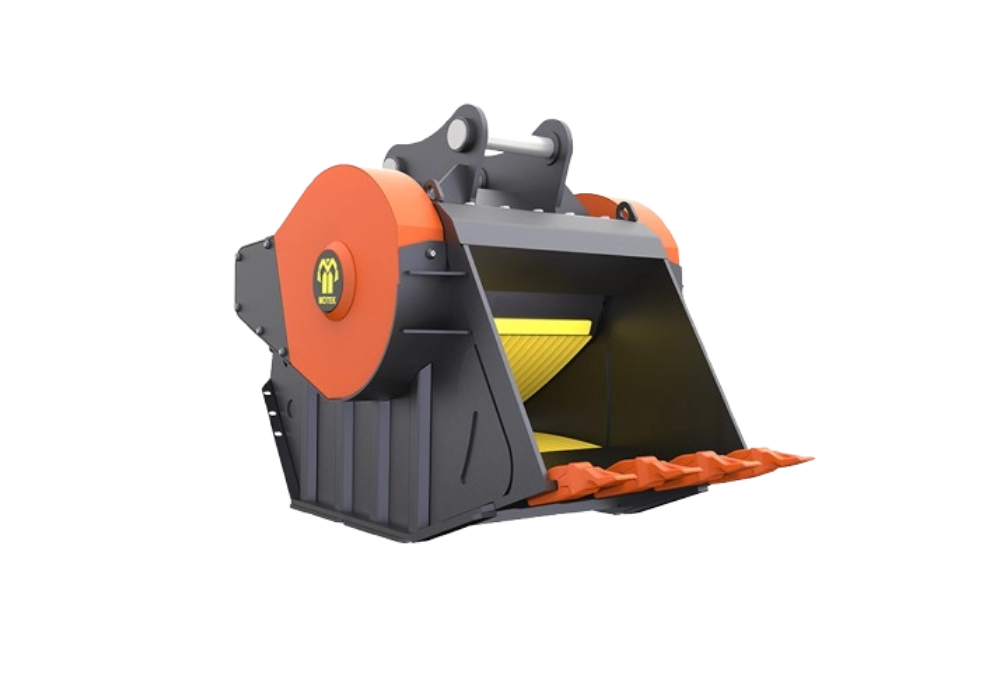
A heavy-duty jaw crusher bucket with wear-resistant materials is ideal for concrete crushing. These buckets are built to handle dense, tough materials and deliver superior performance.
2. Asphalt Crusher Buckets: Efficient Recycling
Asphalt, especially from old roads and parking lots, is often crushed and reused as aggregate. To maximize the performance of your asphalt crusher bucket, ensure the following:
Key Features to Look For:
- Durability and Hardness: Asphalt varies in hardness, so it’s crucial to choose a bucket with adjustable settings for different material consistencies.
- Fine Crushing Ability: If you’re recycling asphalt, a crusher bucket with precise output control is necessary to achieve a consistent size for reuse in road construction or other projects.
Recommended Bucket Type:
А hydraulic jaw crusher bucket allows for flexible operations, making it easier to adjust to different asphalt conditions. This ensures efficiency and uniform output size.
3. Rock Crusher Buckets: Heavy-Duty Crushing for Hard Materials
Crushing rock with a crusher bucket is essential in mining, construction, and quarrying. Selecting the right bucket for hard and abrasive rocks is key to maintaining productivity.
Key Features to Look For:
- Toughness and Durability: For materials like granite or basalt, look for a heavy-duty crusher bucket that can withstand high-impact forces.
- Wide Jaw Opening: A bucket with a wide jaw and powerful crushing action is ideal for breaking down large rocks into manageable pieces.
Recommended Bucket Type:
А heavy-duty rock crusher bucket with reinforced jaws is best for breaking down tough rock materials. These buckets are built to handle high-stress conditions and hard rock types.
4. Soil Crusher Buckets: Efficient Bulk Processing
Soil and sand, used for backfill or landscaping, are processed with crusher buckets to ensure they are free of large debris and ready for reuse. A soil crusher bucket will help you sift through soil efficiently.
Key Features to Look For:
- Large Capacity: Soil can be bulky, so a crusher bucket with a larger volume is recommended for handling significant amounts of material.
- Screening or Sifting Capability: Some crusher buckets come with screening or sifting systems that allow you to separate fine soil from larger debris.
Recommended Bucket Type:
A crusher bucket with a built-in screening grid is ideal for processing soil. This allows you to remove unwanted materials and produce fine, sifted soil or sand.
5. Demolition Debris Crusher Buckets: Multi-Material Crushing
Demolition projects generate a mix of materials, including concrete, wood, metal, and bricks. A crusher bucket for demolition debris should be versatile and capable of handling a range of materials.
Key Features to Look For:
- Multi-Use Capabilities: Choose a crusher bucket that can process concrete, bricks, and mixed debris to save time and money on equipment.
- Adjustable Jaw Settings: The ability to change jaw settings is essential when working with diverse debris materials, ensuring efficient processing without material loss.
Recommended Bucket Type:
A multi-functional crusher bucket with adjustable jaws is ideal for handling demolition debris. The ability to easily switch settings improves processing speed and versatility.
6. Glass Crusher Buckets: Efficient Glass Crushing and Recycling
Glass recycling requires specialized processing equipment to turn glass into reusable material. A glass crusher bucket can break down glass bottles, windows, and containers for reuse in the construction industry or other sectors.
Key Features to Look For:
- Impact Resistance: Glass is brittle, so the bucket must be equipped with strong impact resistance to avoid shattering.
- High Crushing Speed: For glass materials, a crusher bucket that allows for faster processing will improve efficiency.
- Adjustable Output Size: If you need glass crushed into smaller, uniform sizes for recycling, look for a crusher bucket that allows you to fine-tune the output.
Recommended Bucket Type:
A crusher bucket with reinforced, adjustable jaws and high-impact teeth is ideal for processing glass. These buckets are designed to crush glass efficiently without causing excessive breakage or waste.
Key Considerations for Choosing the Right Crusher Bucket
When selecting the best crusher bucket for your project, keep the following factors in mind:
1. Machine Compatibility
Ensure that your crusher bucket is compatible with the equipment you’re using, such as excavators or skid steers. Always check for attachment size, weight, and hydraulic compatibility.
2. Durability and Maintenance
Opt for high-quality materials that provide long-lasting durability. A well-constructed bucket will minimize downtime and repair costs, ensuring smoother operations.
3. Output Size and Efficiency
Consider the required output size for the materials you’re processing. Choose a crusher bucket with adjustable jaws to optimize productivity and material size.
4. Price vs. Long-Term Value
Investing in a durable, high-performance crusher bucket may have a higher initial cost, but it can save you money in the long run by reducing maintenance costs and improving efficiency.
Заключение
Choosing the right crusher bucket for your project’s material is vital to achieving optimal performance and minimizing costs. Whether you are working with concrete, asphalt, rocks, soil, demolition debris, or glass, selecting the appropriate bucket ensures high efficiency, reduced downtime, and improved productivity.
Remember to assess factors like machine compatibility, material type, and bucket features such as crushing capacity and output size. By making an informed decision, you can optimize your construction or demolition project and achieve superior results.